4 min read • over 1 year ago
Diversification is one of the most important principles in investing. It helps manage risk, smooth returns, and improve your chances of long-term success—especially when investing for retirement.
“Don’t put all your eggs in one basket.”
In investing, this means avoiding unnecessary concentration risk.
Different assets perform well at different times. Diversification ensures your entire portfolio isn’t overly exposed to a single market, sector, or outcome.
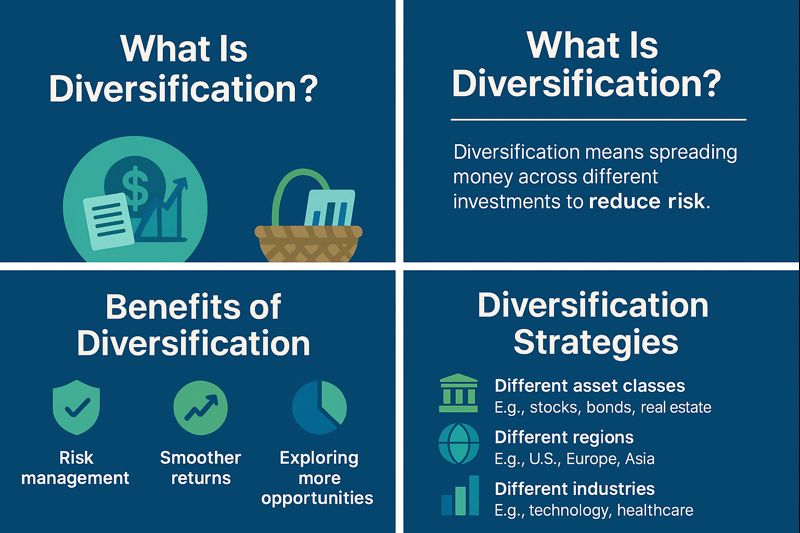
Diversification means spreading your investments across different assets, sectors, and regions to reduce risk.
Instead of relying on one stock, fund, or market, diversification ensures that poor performance in one area doesn’t derail your entire portfolio.
Asset allocation is the foundation of a diversified portfolio. It determines how your investments are split across major asset classes based on your goals and time horizon.
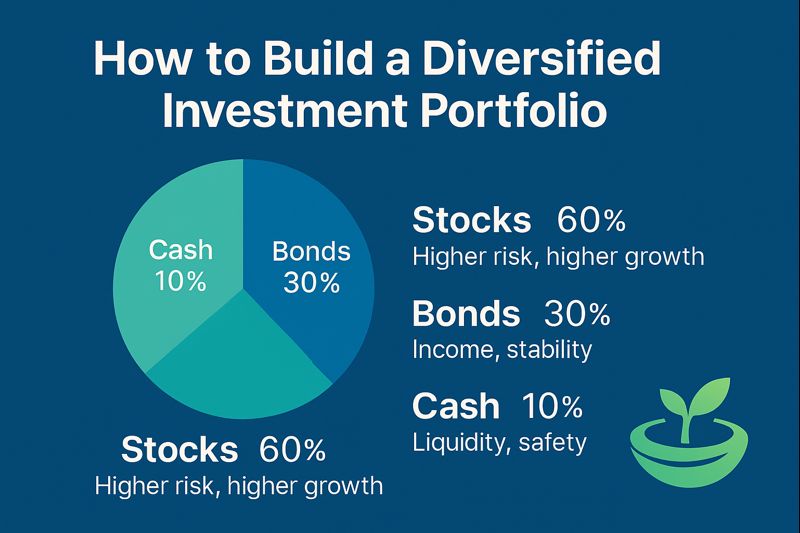
This mix is a common starting point, but not universal. Your ideal allocation depends on age, income stability, and retirement timeline.
True diversification doesn’t stop at asset allocation.
Each layer of diversification reduces reliance on a single economic outcome.
Many investors confuse these two concepts:
For example:
Nestly Advisor helps bridge this gap by showing how different allocations impact long-term retirement outcomes—not just short-term performance.
Markets change your allocation automatically as assets grow or decline.
Simple rule:
Review annually and rebalance if allocations drift by more than 5–10%.
Diversification should evolve as your life changes:
With Nestly Advisor, you can:
Diversification isn’t just about investments—it’s about outcomes.
Simplicity and discipline matter more than complexity.
Diversification isn’t about maximizing returns—it’s about managing risk intelligently.
A well-diversified portfolio:
The best portfolio is the one you can stay invested in through market cycles.
About Nestly Advisor
Nestly Advisor helps you plan retirement with clarity and confidence by combining realistic projections, modern tools, and visual insights that make diversification actionable.
Many people buy gold jewelry as an investment, but is it actually a good wealth-building strategy? Compare gold jewelry and investment gold to understand the real costs, risks, and long-term returns.
Gold is back in the spotlight as analysts discuss the possibility of $6,000 gold. Here's what that could mean for retirement portfolios and long-term financial planning.
SpaceX is now public. Explore three realistic investment scenarios, understand concentration risk, and see how different outcomes could impact your long-term financial future.
