Practical, no-nonsense retirement guidance — every article shows its assumptions, and most pair with a Lab scenario you can test with your own numbers.
Built to be tested — every article shows its assumptions
75
Articles
44
Read & Try
17
Topics

Nestly Research · 8 min read
Ideas worth exploring with your own numbers.


































How much cash should you keep in retirement? Explore nine cash-reserve strategies across 8,000 simulations and the tradeoffs between liquidity and long-term growth.
Should you use $300,000 to buy lifetime income or keep it invested? Compare what happens at ages 75, 85, and 95.

See how a spouse's retirement savings and income can dramatically improve retirement success, with clear calculations comparing a base plan, pension, rental income, and combined household finances.

One year, two years, or three? See how keeping cash available can protect retirement spending—and what you give up by investing less.
See how a smaller Social Security benefit could change your retirement withdrawals—and three ways to respond.
The years after your paycheck stops—but before Social Security and RMDs fully kick in—can create a valuable window for Roth conversions.
A few years of high inflation right after retirement can raise withdrawals quickly. See how maintaining your lifestyle—or temporarily adjusting it—can change the pressure on your plan.

Roth money can be one of your most flexible retirement accounts. The question is not just whether you can spend it, but when using it may actually help.

Compare paying cash, putting 50% down, and putting 20% down on a retirement home. See how each choice changes your investments and monthly bills.
See how planning through age 90, 95, or 100 can change sustainable spending, required savings, retirement success, and the cushion left in your plan.

Waiting to touch your traditional retirement accounts can feel logical. But the years before RMDs begin may be an opportunity to choose when you pay taxes.

The market already fell. Should you keep spending, temporarily cut back, or delay one big expense? See how each response changes the tradeoff.

You need $75,000 this year. See how pulling it from taxable, Traditional, or a mix of accounts can change taxes, future RMDs, Roth savings, and the years ahead.

Your retirement plan may look strong today. But what happens when one expensive surprise shows up years later?
A strong retirement plan can leave you with millions late in life. The next question is how much you actually want to preserve — and how much you want to use.

Giving your children money sooner may mean giving up some future growth—but it could also reach them when it matters most. Compare giving $100,000 now, gradually, or later.

Twenty-five years after September 11, we remember the 2,977 lives lost, the courage shown that day, and the families and communities forever changed.
At some point, saving more stops being about making retirement possible and starts being about buying extra safety. Here’s how to know when easing off may make sense.
Your retirement plan already works. At some point, the question may stop being whether you have enough and become what the extra money is actually for.
The years after you stop working but before Social Security and required withdrawals begin may create an important Roth conversion opportunity.
A higher retirement success rate is not automatically a better retirement. Compare preserving more with enjoying more while you are younger.
FIRE means Financial Independence, Retire Early. Learn how saving, spending, retirement age, and withdrawal rates affect your plan, then compare three early-retirement paths and one safety test in Nestly Lab.
A balanced retirement account mix is not about equal percentages. Compare 80/10/10, 60/20/20, and 40/40/20 across Traditional, Roth, and taxable accounts to see how account location can change retirement flexibility.
You believe in investing for retirement. Your spouse would rather keep the money in the bank. Here’s how to think through the tradeoff without turning it into a fight.
The same retirement savings can create very different tax
Your retirement plan may work with today's healthcare
Two retirees can both have $2 million and still have very different amounts available to spend. See why Traditional, Roth, and taxable account balances matter in retirement.

Learn what happens when Required Minimum Distributions begin, how the first-year deadline works, how multiple IRAs and 401(k)s are handled, and what to avoid before your first RMD.
See how working one more year can improve retirement through extra savings, portfolio growth, avoided withdrawals, a shorter retirement, and better timing around Social Security and Medicare.

Learn what required minimum distributions are, when they start, how they are calculated, and what different retirement account balances could mean for your future withdrawals.
Compare staying in your current home, downsizing, or relocating before retirement. See how housing costs, home equity, moving expenses, and lifestyle can change your retirement plan.
A market crash right after retirement can be more damaging than the same decline years later. Learn how sequence-of-returns risk works and how flexible spending, cash reserves, and retirement timing can help.
Estimate how much you may need invested for retirement based on spending, Social Security, retirement age, healthcare, and other income.
Compare investing more for retirement with paying off your mortgage early. See how interest rates, employer matches, taxes, retirement timing, and risk can change the answer.
Retiring at 55 is possible, but the right strategy depends on your age today. See what to save, where investment risk may belong, and what not to risk.
Should you collect Social Security at 62, your Full Retirement Age, or wait until 70? Compare estimated benefits, learn how to find your personalized estimate, and discover which claiming strategy may fit your retirement plan.
See estimated 401(k) balances by spending level, understand what changes the number, and compare retirement strategies with Nestly Lab.
Feel behind on retirement savings? Learn how higher contributions, a later retirement date, strategic Social Security timing, lower spending, and part-time work can strengthen your plan.
One million dollars may be enough for retirement—or fall short—depending on your spending, retirement age, Social Security, healthcare, taxes, and market conditions.
Compare part-time retirement with working full-time for a few more years. Learn how even modest income can reduce portfolio withdrawals, preserve healthcare options, and make earlier retirement more realistic.
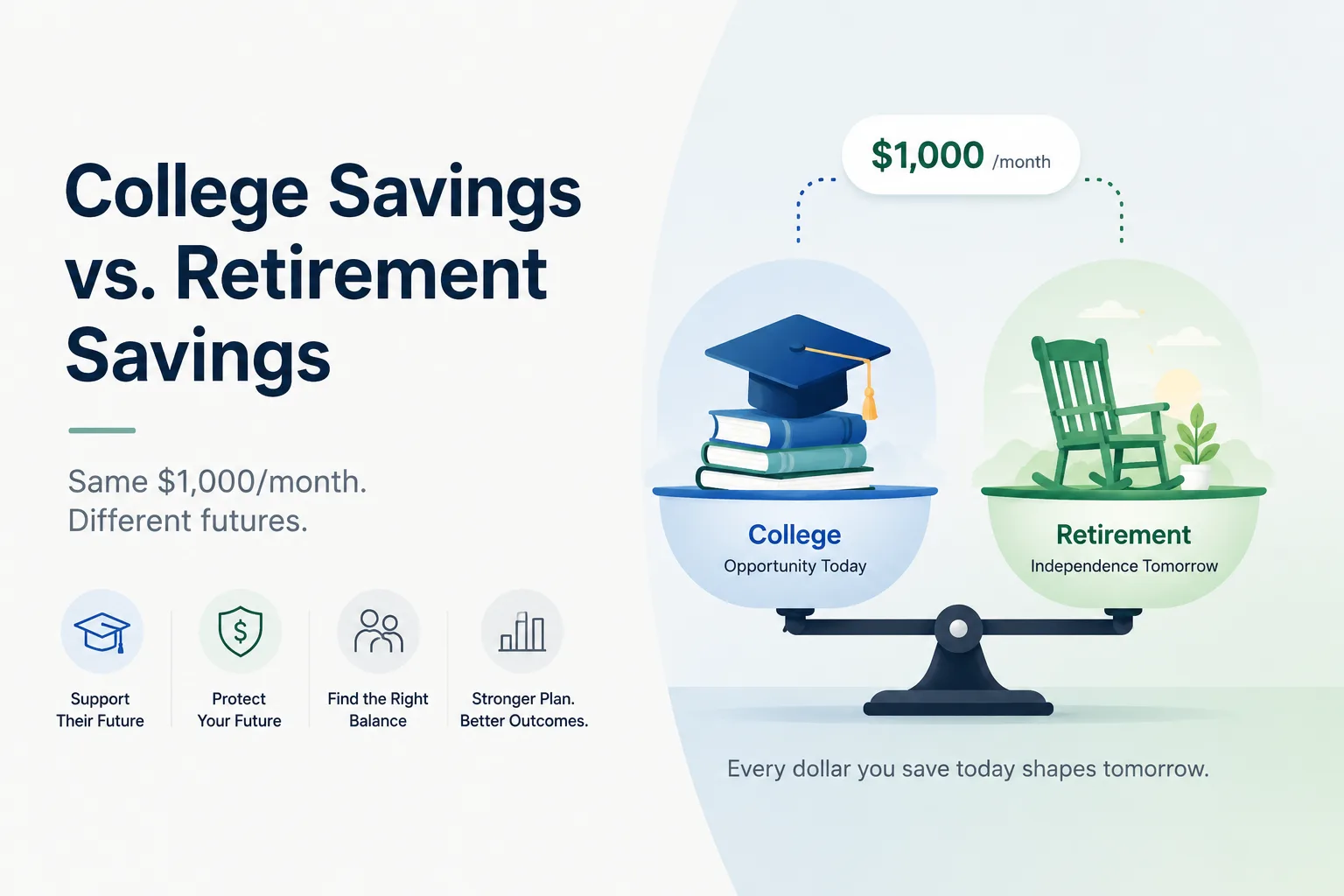
Should you save for your child's college or your own retirement first? Learn how to compare the tradeoffs and build a balanced family money plan.
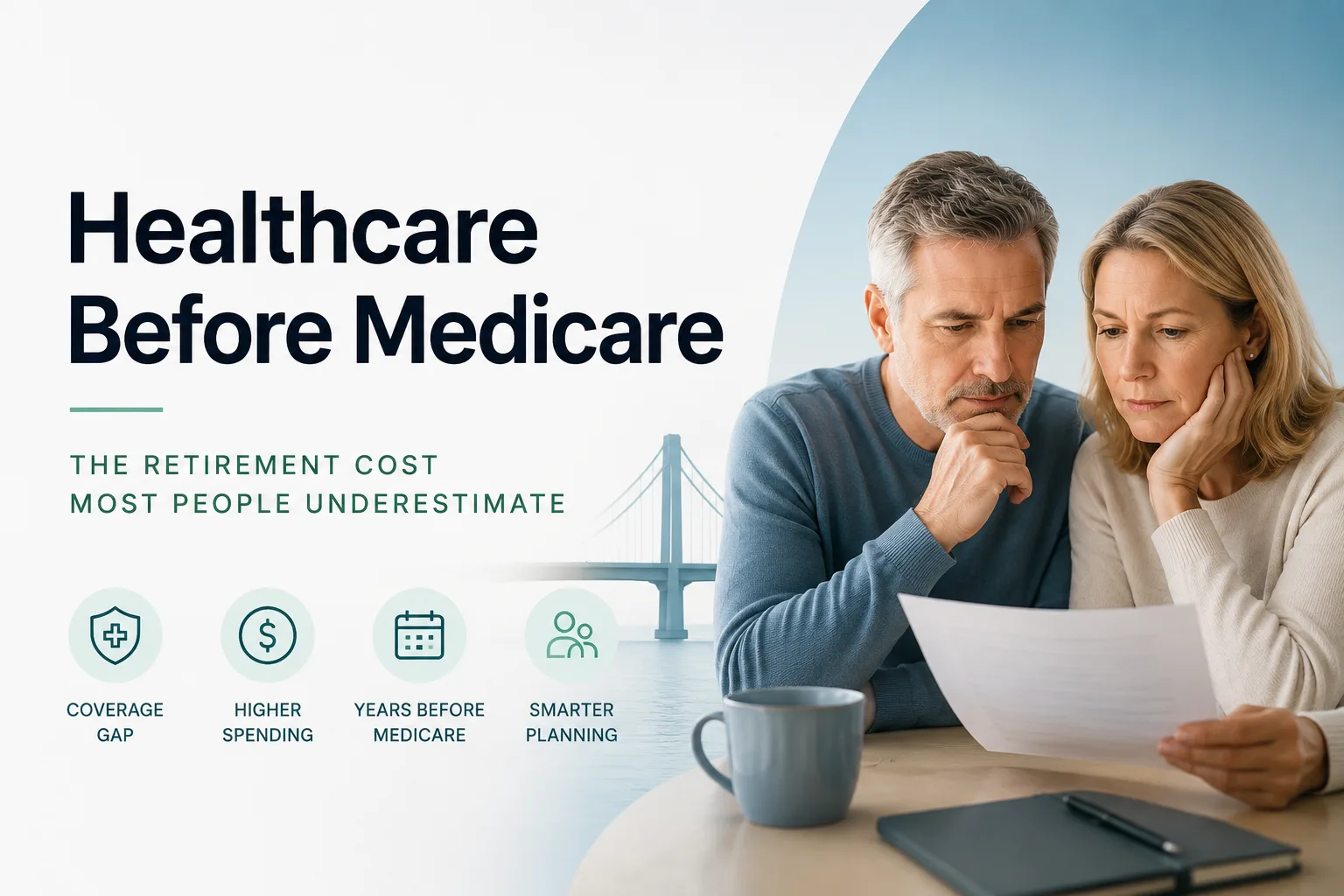
Retiring before 65 can create a healthcare coverage gap before Medicare begins. Learn how to plan for ACA coverage, COBRA, spouse insurance, cash reserves, and healthcare bridge strategies.

Many adults are helping aging parents and adult children while trying to prepare for retirement. Learn how family support can affect retirement readiness and how to manage the tradeoffs.

Wondering how much net worth you need to retire? Learn why there is no single magic number and how spending, income sources, timing, and healthcare shape retirement readiness.

As America celebrates 250 years of independence, it's a reminder that financial independence is built through planning, flexibility, and thoughtful decisions. Here's your own Declaration of Financial Independence.
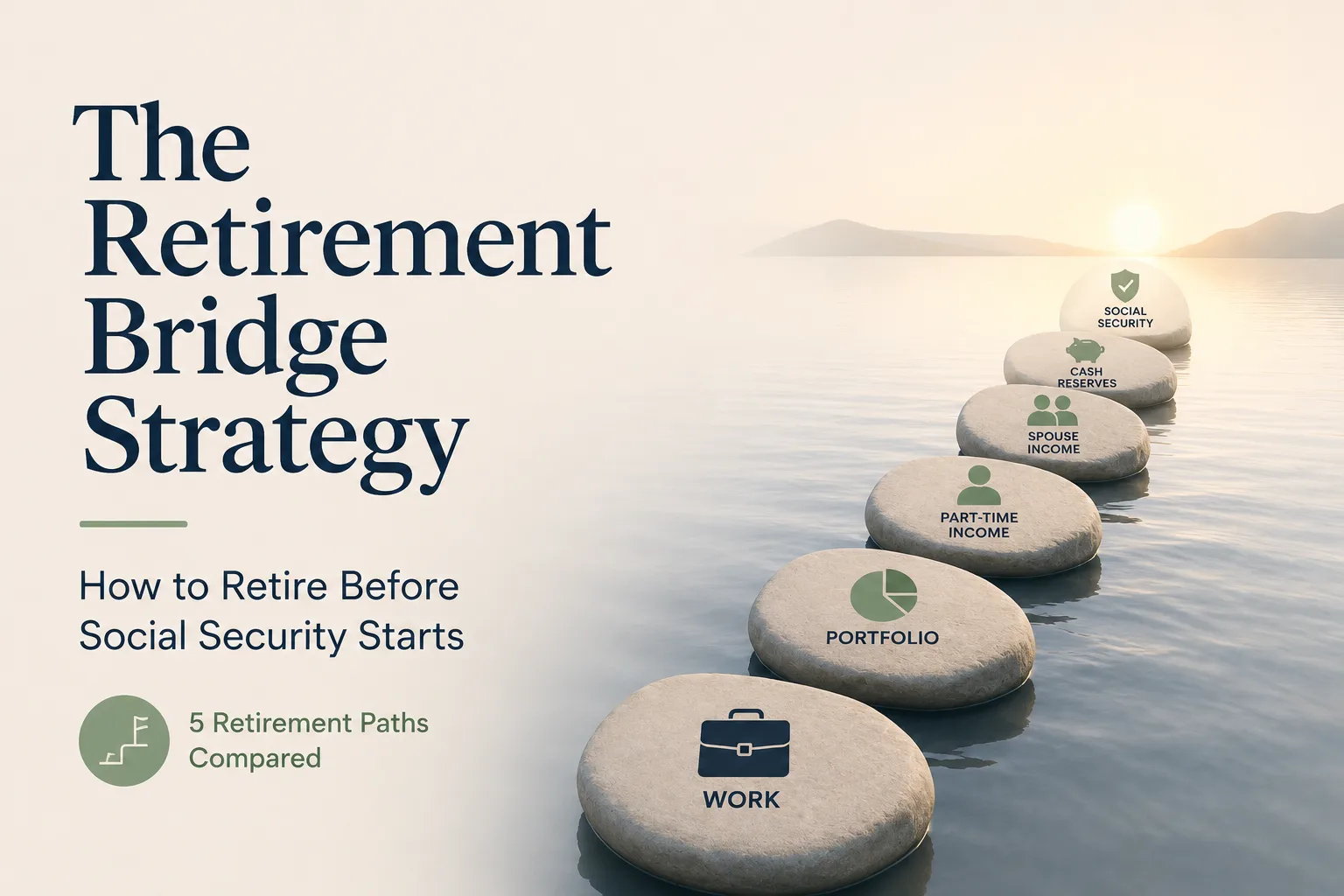
Want to retire before Social Security begins? Learn how a retirement bridge strategy can combine portfolio withdrawals, cash reserves, part-time work, spouse income, and delayed benefits.
Many parents want to support adult children, but financial help can affect retirement timing, portfolio longevity, and future independence. Learn how to evaluate the tradeoff.

An emergency fund is more than short-term cash. Learn how the right cash reserve can protect your retirement plan, reduce forced withdrawals, and help you handle unexpected expenses.
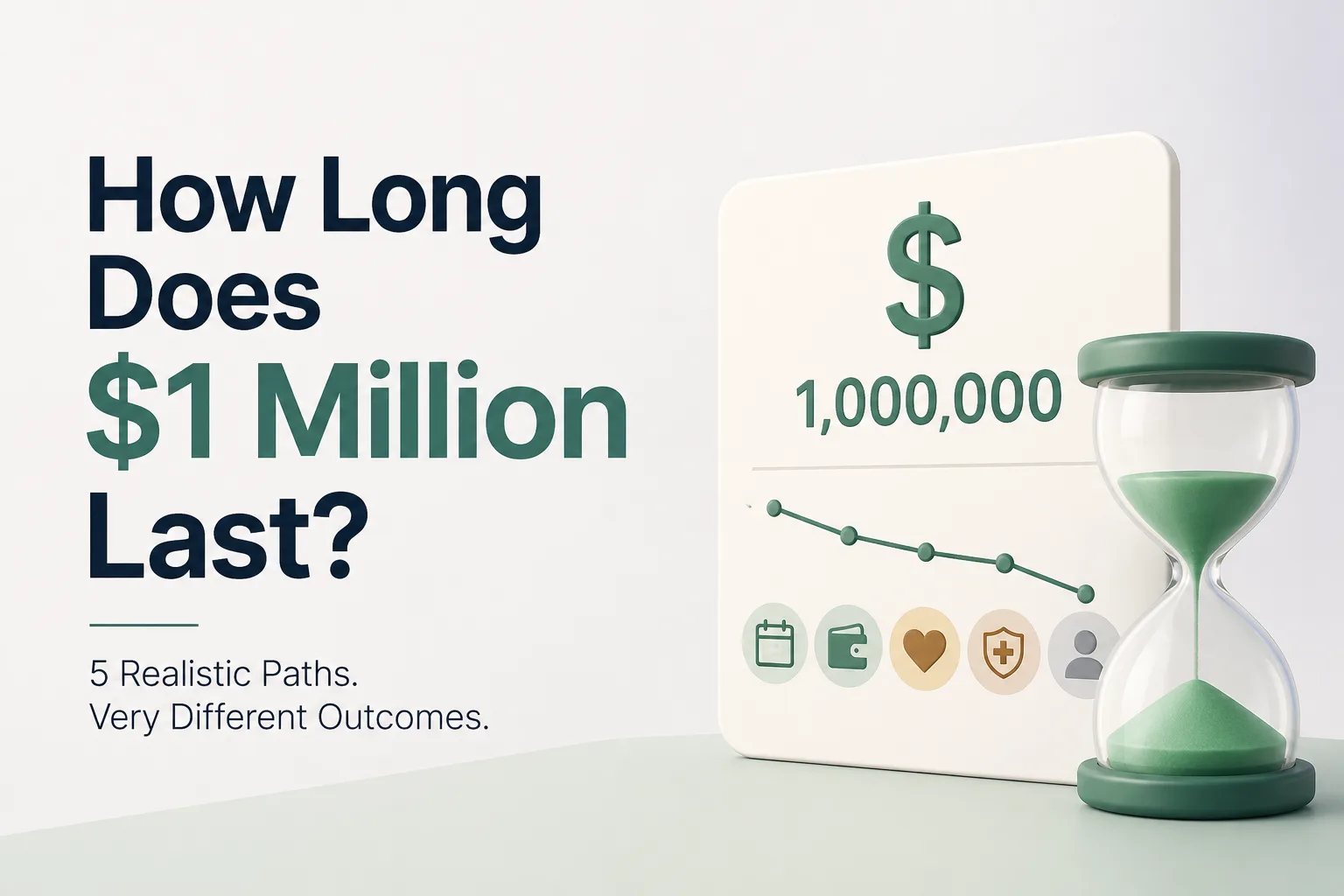
One million dollars can last very different lengths of time depending on spending, Social Security, healthcare, and retirement age. Compare common scenarios and see what really drives retirement longevity.
Many couples don't retire at the same time. Learn how one spouse continuing to work can improve healthcare coverage, reduce portfolio withdrawals, and create a stronger retirement plan.

Many people buy gold jewelry as an investment, but is it actually a good wealth-building strategy? Compare gold jewelry and investment gold to understand the real costs, risks, and long-term returns.
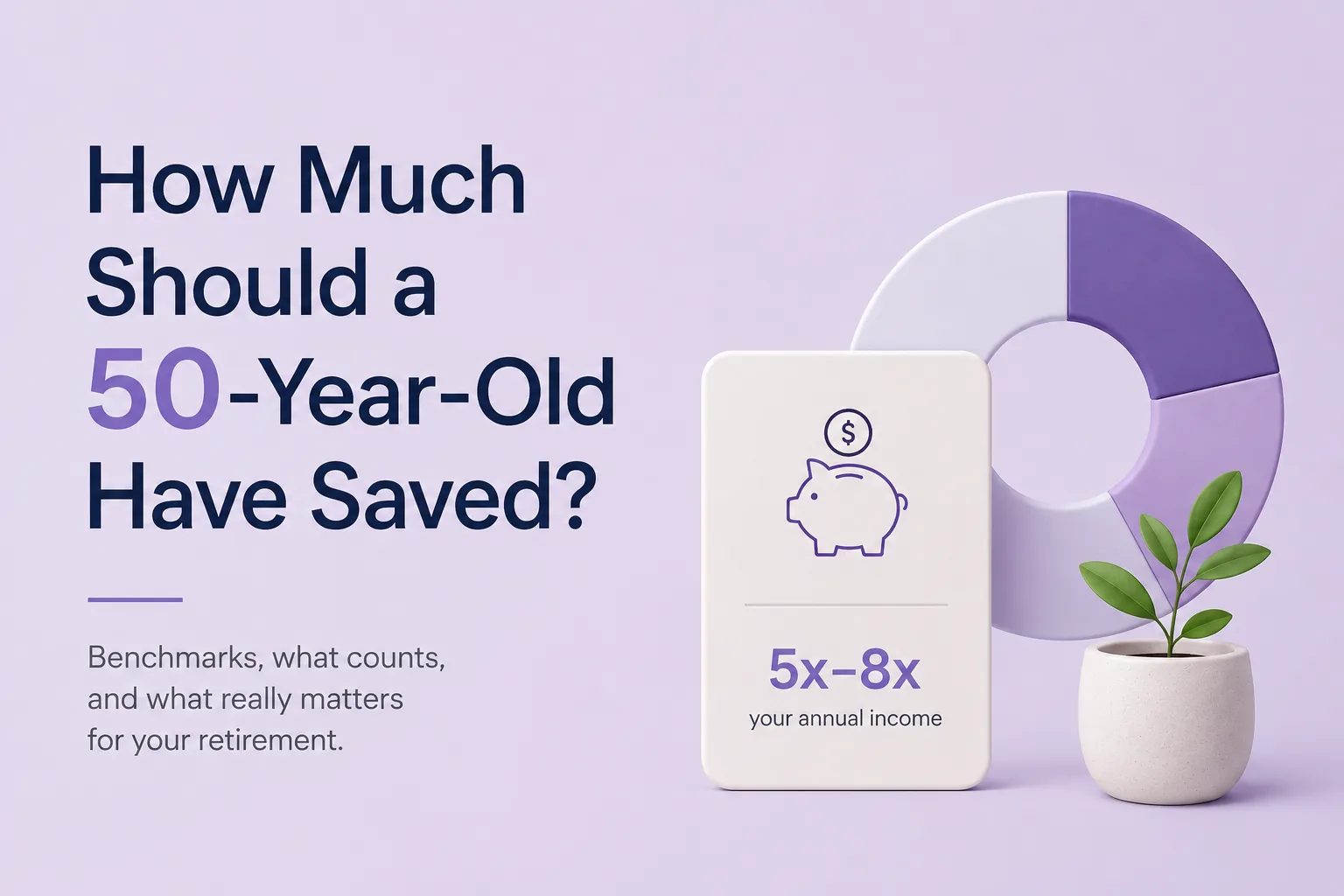
Wondering if you're on track for retirement at age 50? Learn common retirement savings benchmarks, what counts as retirement savings, and how to evaluate your readiness.

Juneteenth is a reminder that freedom and opportunity are deeply connected. Explore why access to financial education, investing, and retirement planning plays a critical role in building long-term financial freedom.
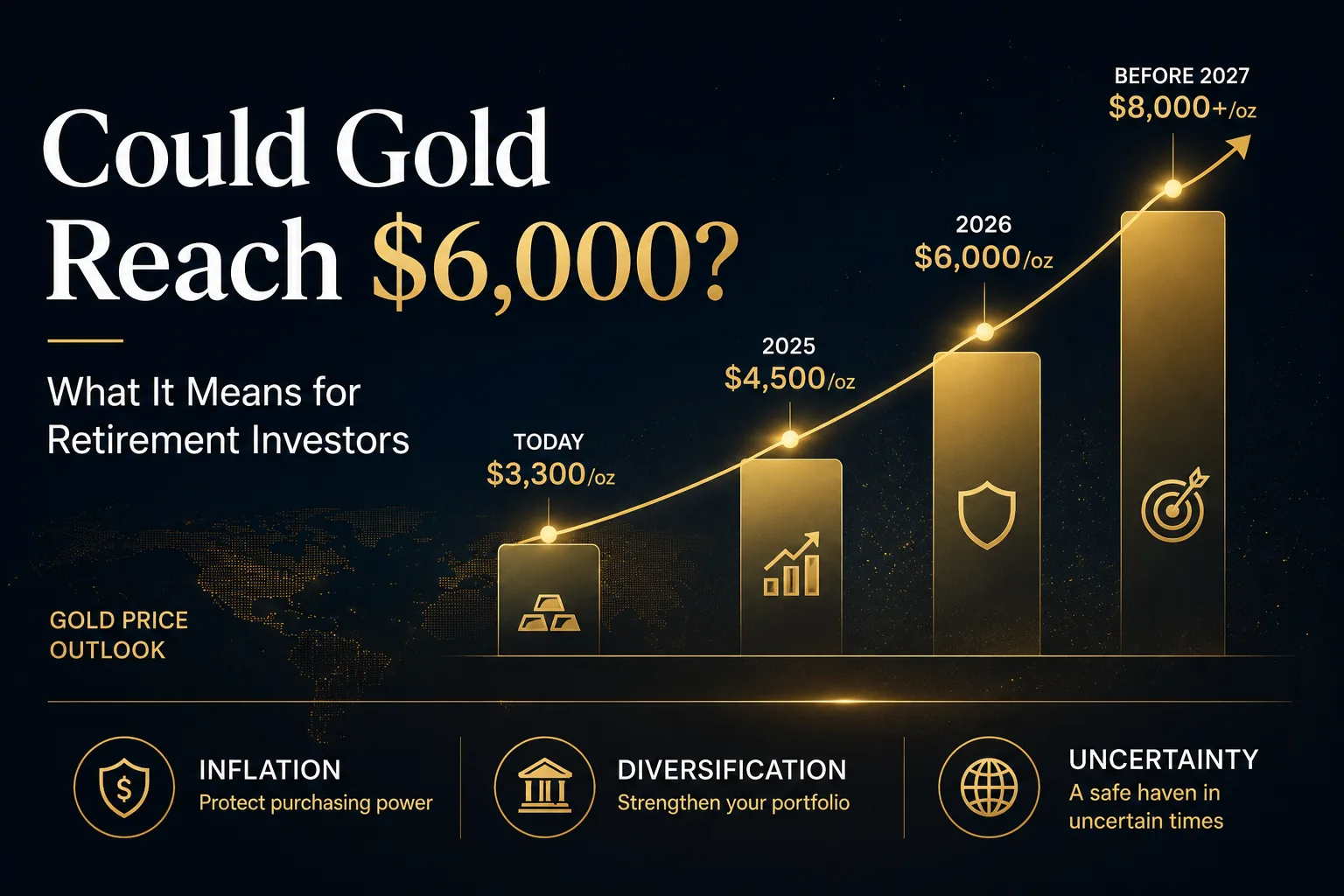
Gold is back in the spotlight as analysts discuss the possibility of $6,000 gold. Here's what that could mean for retirement portfolios and long-term financial planning.
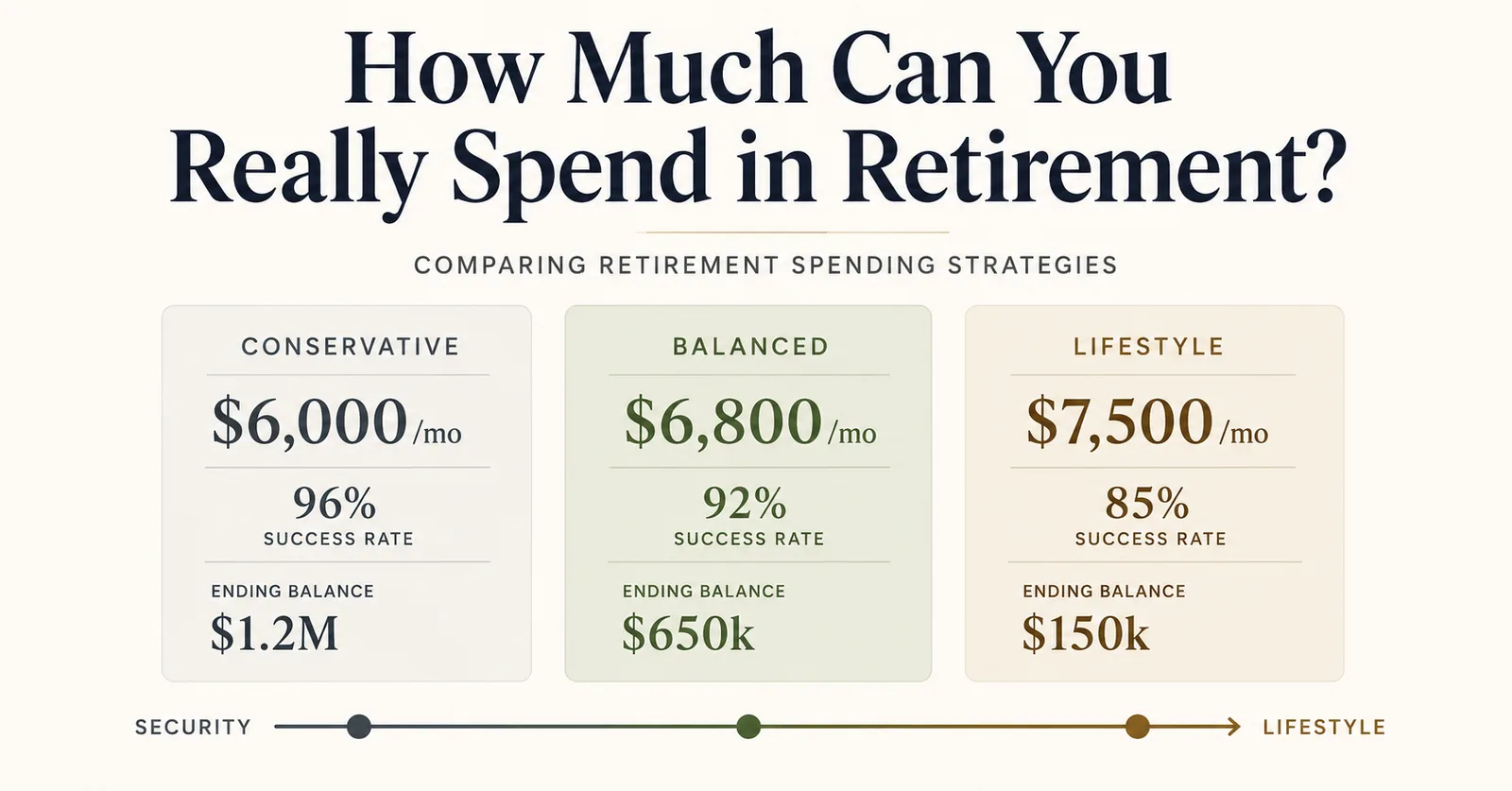
Many retirees focus on how much they've saved, but the real question is how much they can safely spend. Learn how to evaluate retirement spending strategies and understand the tradeoffs.
Many couples claim Social Security at the same age without realizing it may reduce lifetime benefits. Learn how coordinated claiming strategies can improve retirement income and long-term financial outcomes.
Many parents face a difficult choice between funding college and retiring on time. Learn how to balance both goals, evaluate tradeoffs, and test different scenarios before making a decision.

SpaceX is now public. Explore three realistic investment scenarios, understand concentration risk, and see how different outcomes could impact your long-term financial future.

The 2026 FIFA World Cup is expected to generate billions in economic activity across North America. Learn how major global events can influence markets, industries, and long-term investment opportunities.

IPOs generate excitement and headlines, but are they right for your retirement portfolio? Learn the risks, rewards, and how IPO investing fits into a long-term retirement strategy.
Discover how retirement savings vary across generations, what benchmark ranges look like by age, and how to determine whether you're on track for retirement.
Buying a car around retirement is common—but it can quietly strain your retirement plan. Learn how to budget, time, and fund a car purchase without hurting long-term income.
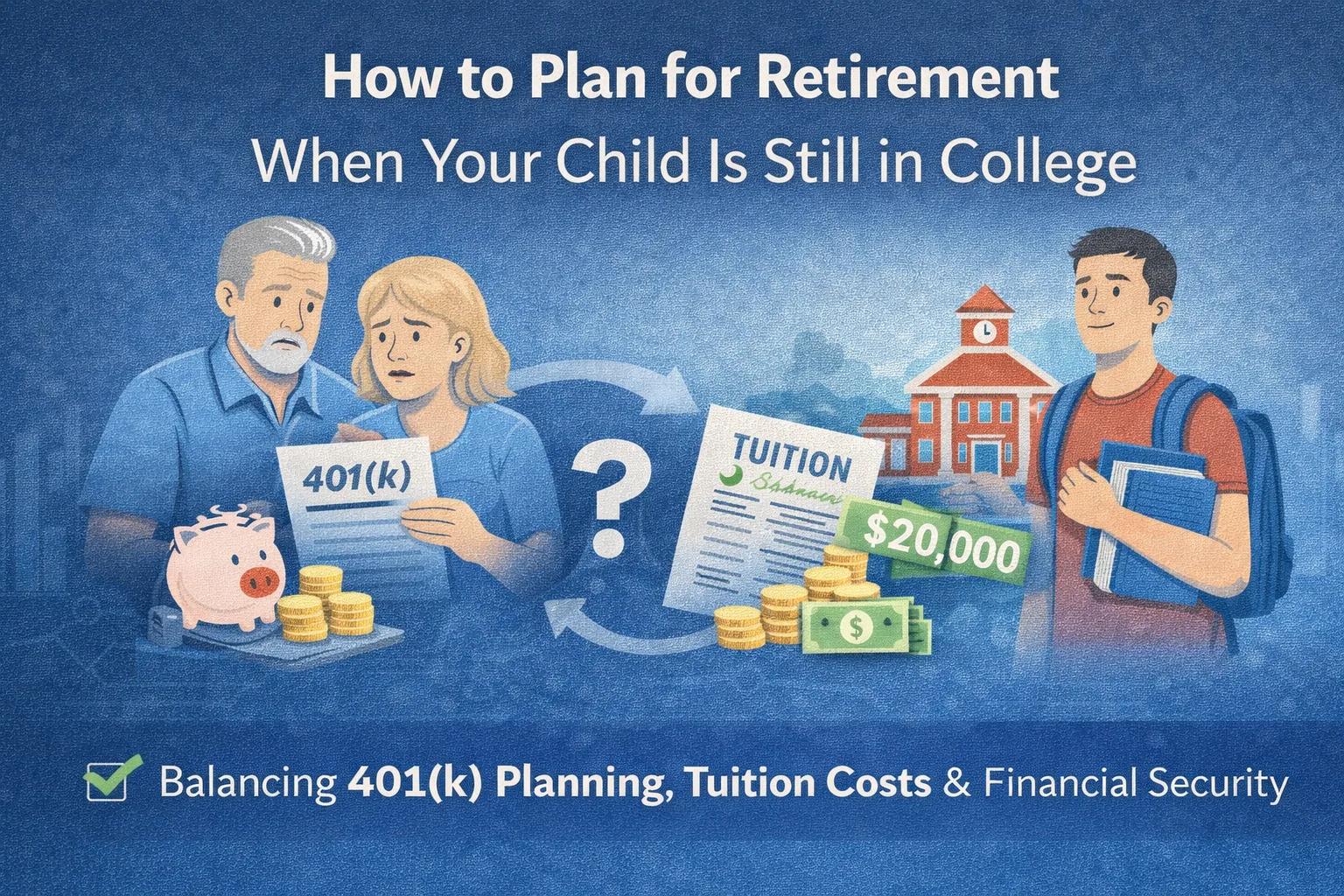
Retiring while still paying for a child’s college is more common than you think. Learn how to balance 401(k) planning, tuition costs, and long-term financial security.
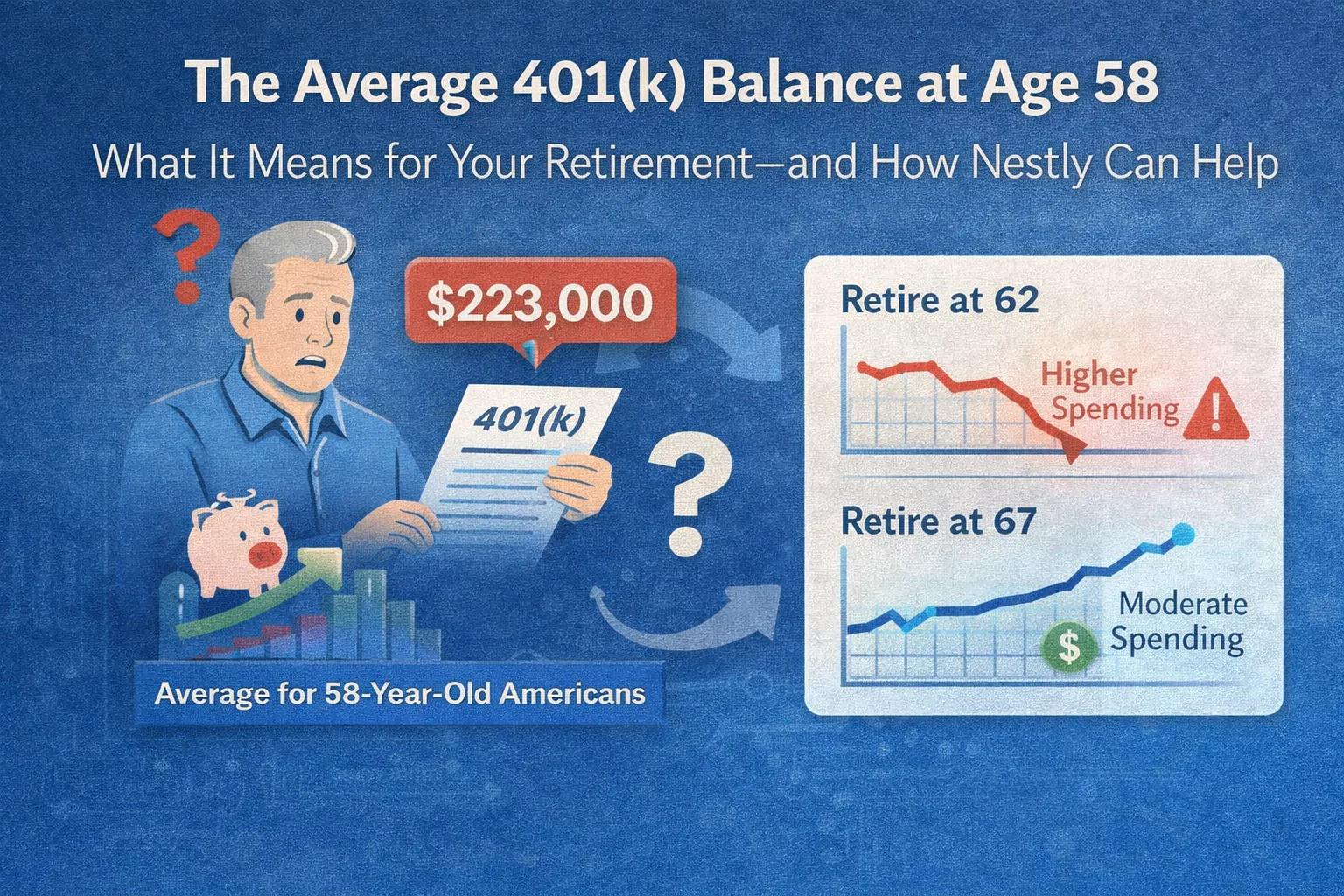
The average 401(k) balance for Americans approaching retirement may be lower than expected. Learn what this means, why the gap exists, and how tools like Nestly can help you plan smarter.
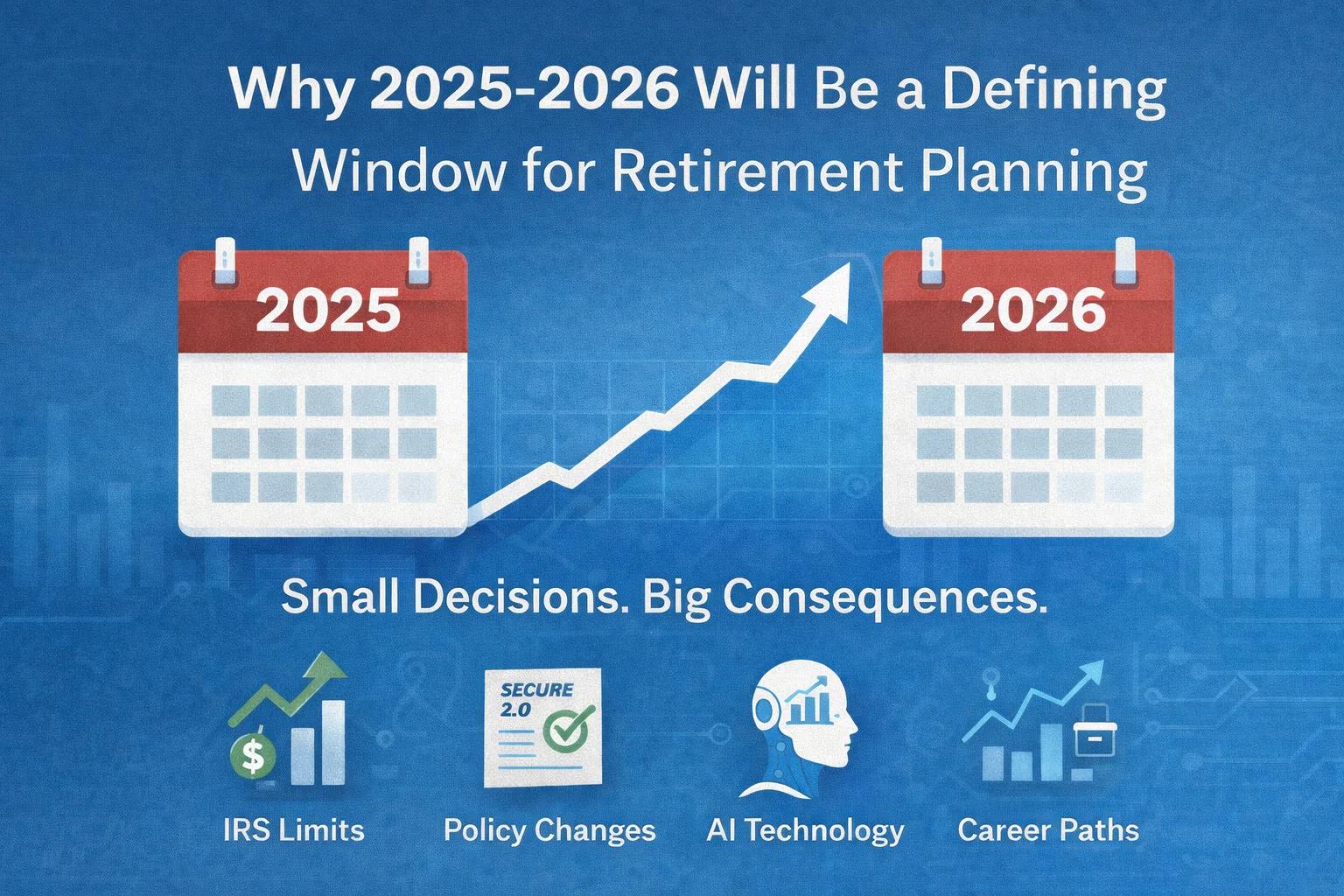
Retirement planning is entering a critical window. Learn why decisions made in 2025–2026—from contribution limits to AI-powered planning—can shape your financial future for decades.
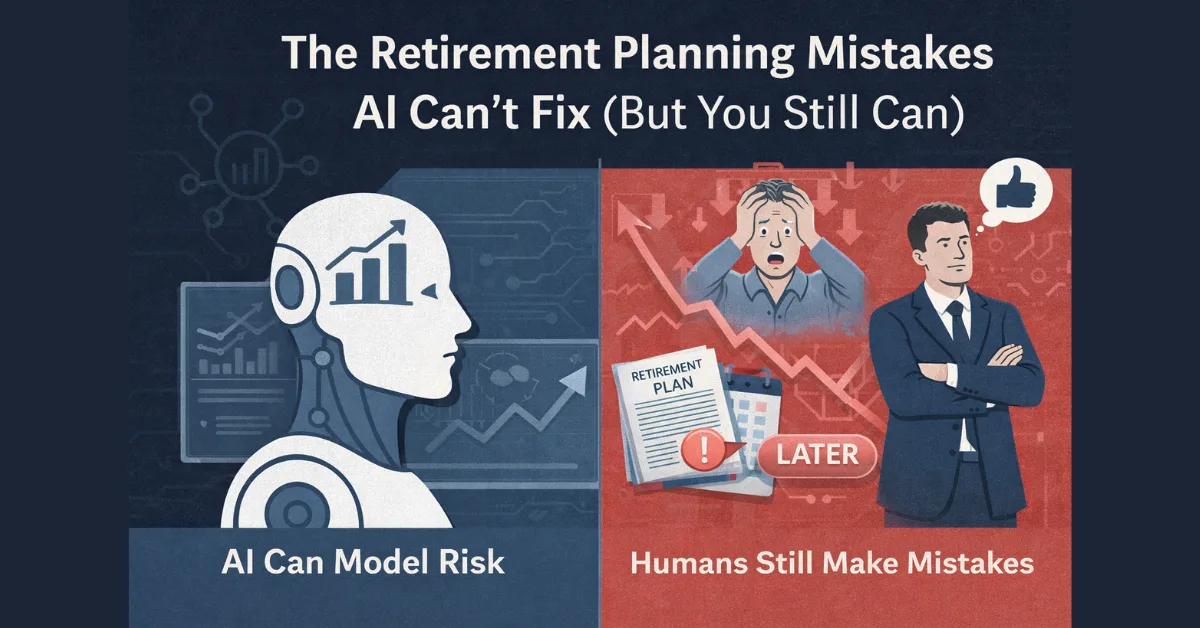
AI is transforming retirement planning—but it can’t prevent human mistakes. Learn the most common retirement errors AI won’t solve and how to avoid them.
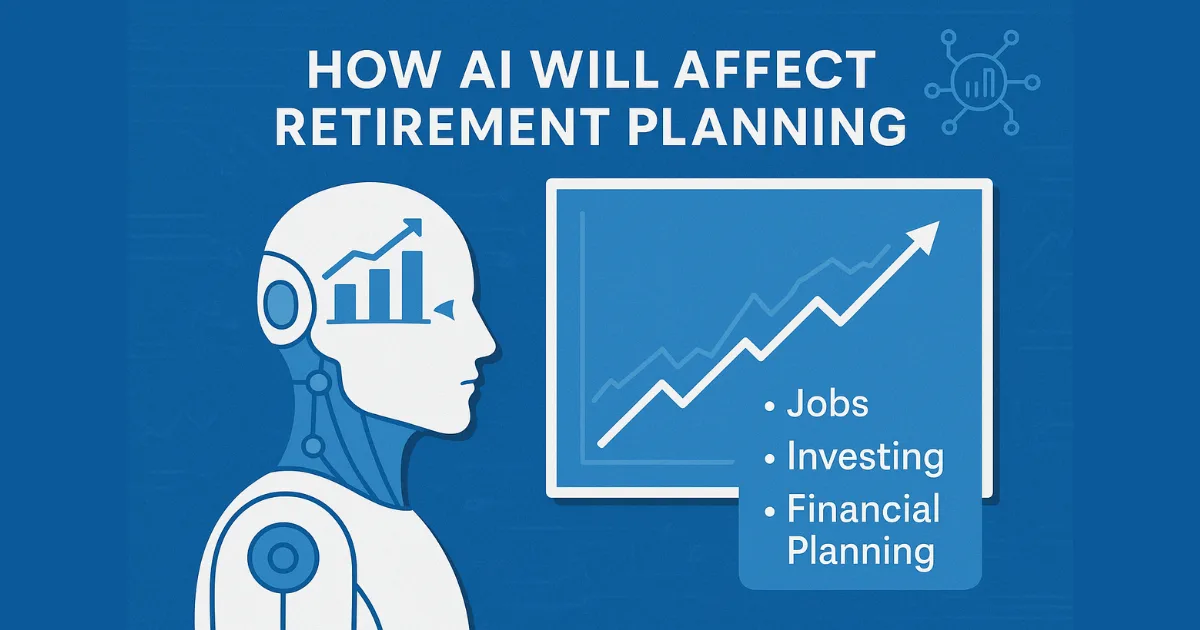
Artificial intelligence is transforming jobs, investing, and financial planning. Learn how AI growth will impact retirement savings, risk management, and how to prepare.
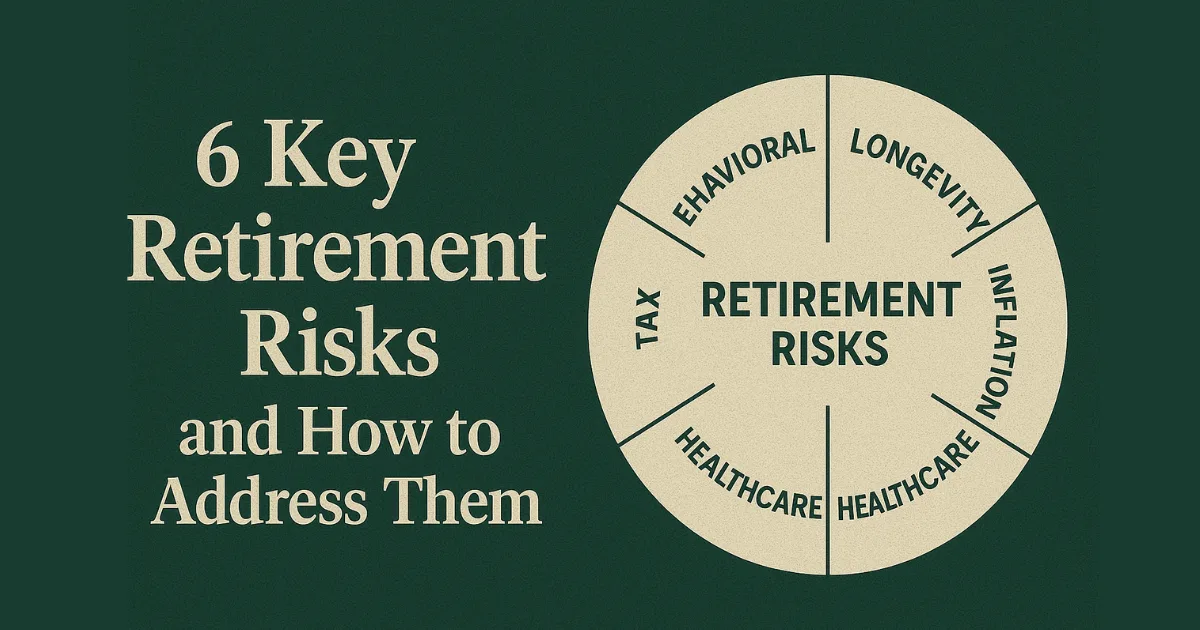
Retirement risk in 2026 goes beyond market volatility. Learn the biggest threats to retirement success — from behavioral mistakes to longevity and inflation — and how to plan smarter.
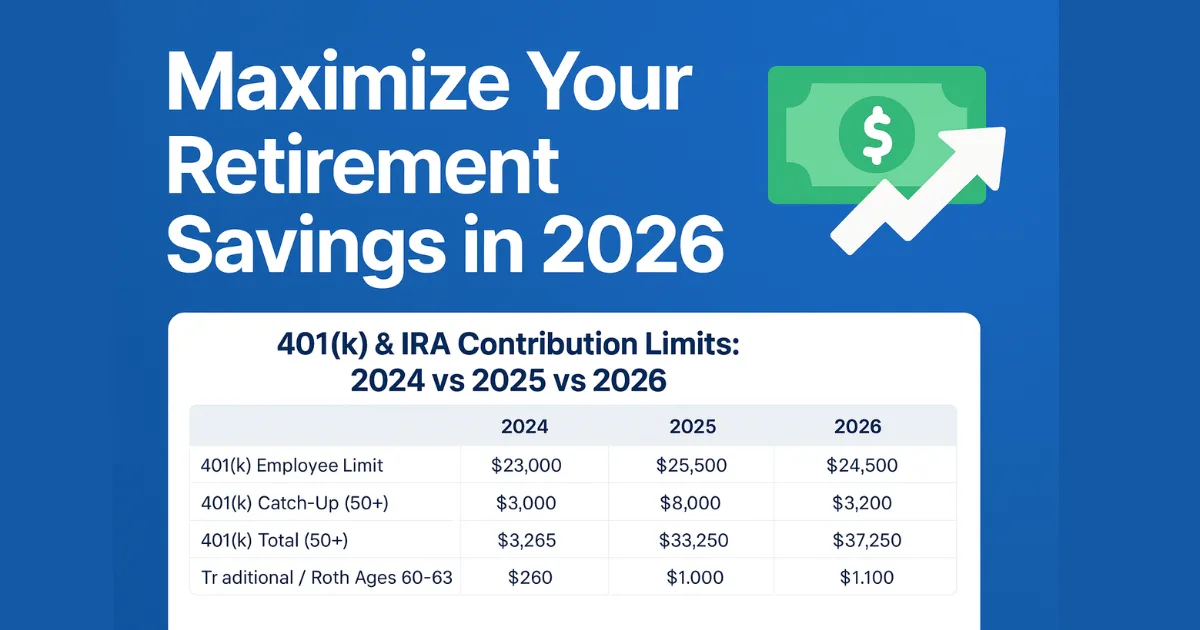
The IRS has officially released 401(k) and IRA contribution limits for 2026. Learn the new limits, catch-up rules, and how Nestly’s Contribution Co-Pilot helps you optimize savings.
Discover proven strategies to boost your retirement savings in 2026, including higher IRS contribution limits, employer match optimization, and smart planning with Nestly.
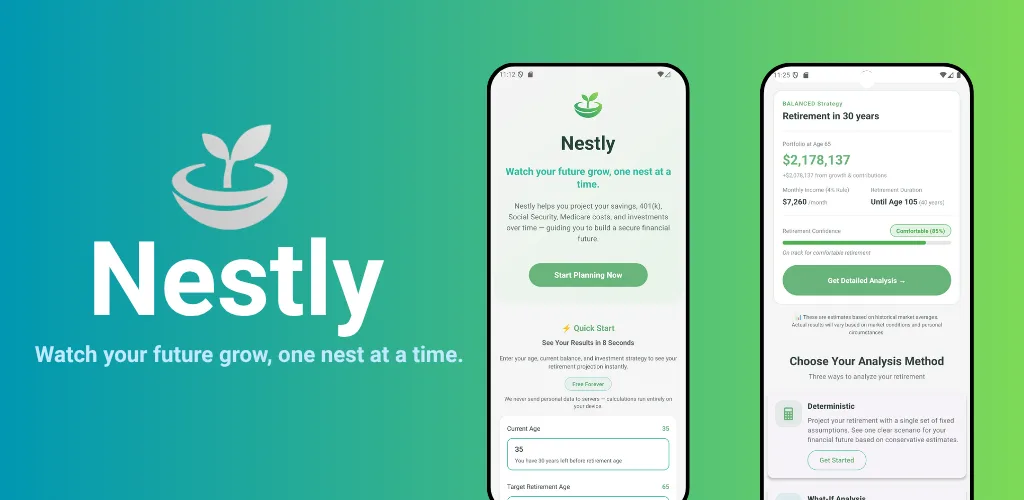
Meet Nestly Advisor, a modern retirement planning platform featuring the Nestly Score, retirement calculator, and AI-powered reasoning. Now available in preview.
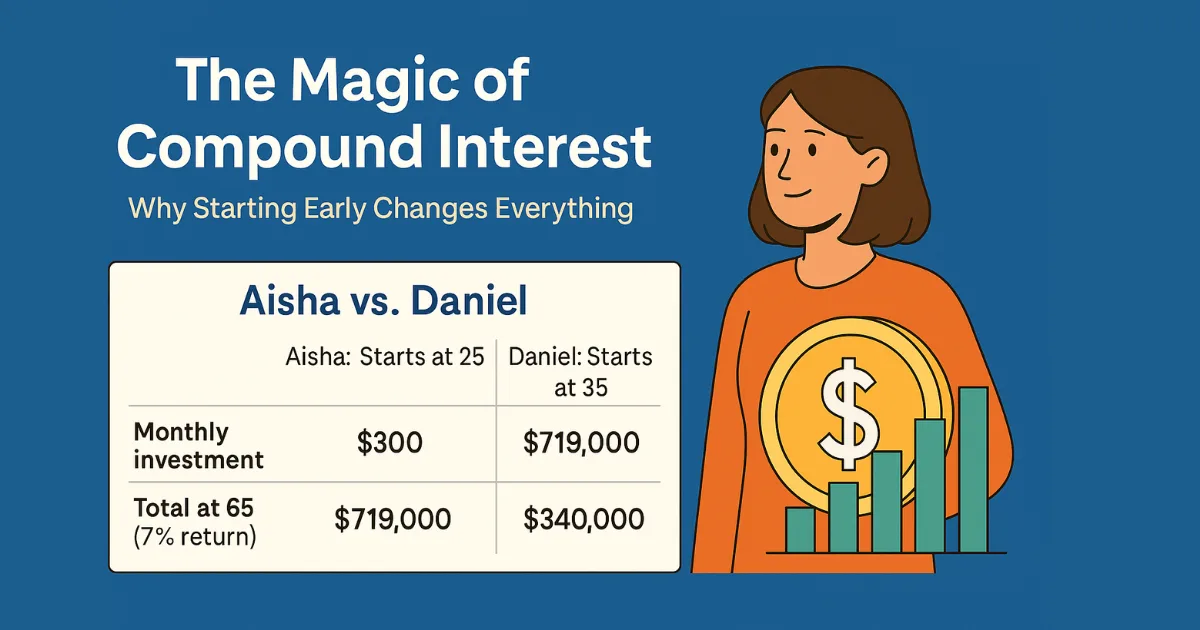
Learn how compound interest works through real-life examples and see why starting your retirement savings just a few years earlier can mean hundreds of thousands more at retirement.
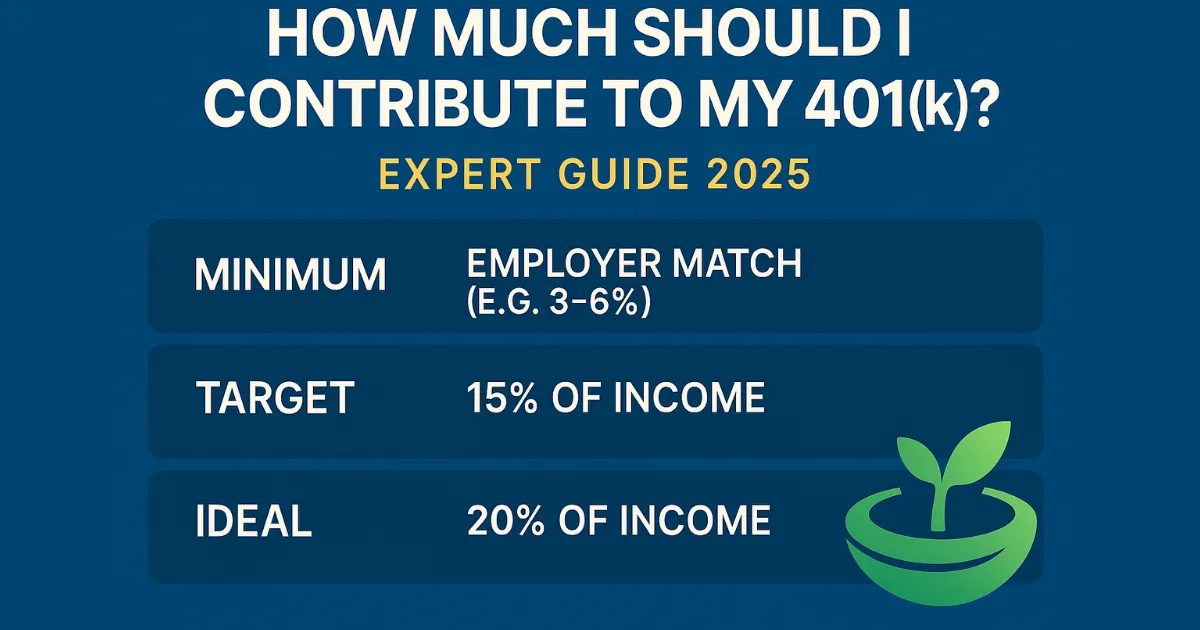
Find the optimal 401(k) contribution rate for your age and income. Learn how to balance retirement savings with current expenses and reach your goals.
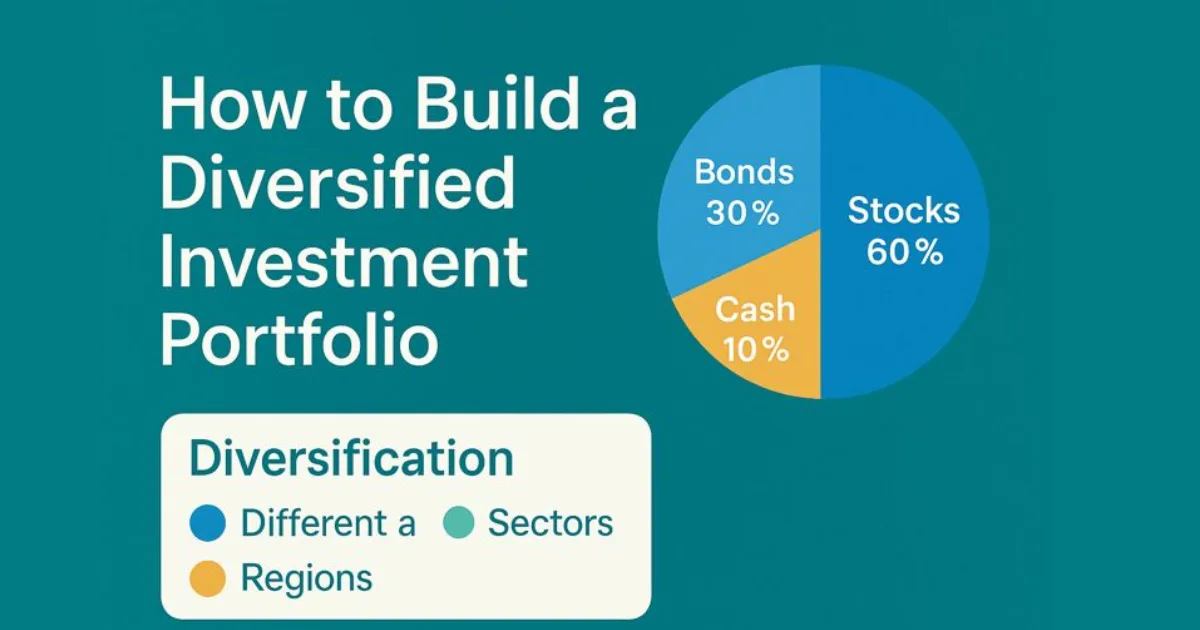
A comprehensive guide to building a diversified investment portfolio that aligns with your risk tolerance, time horizon, and retirement goals.
